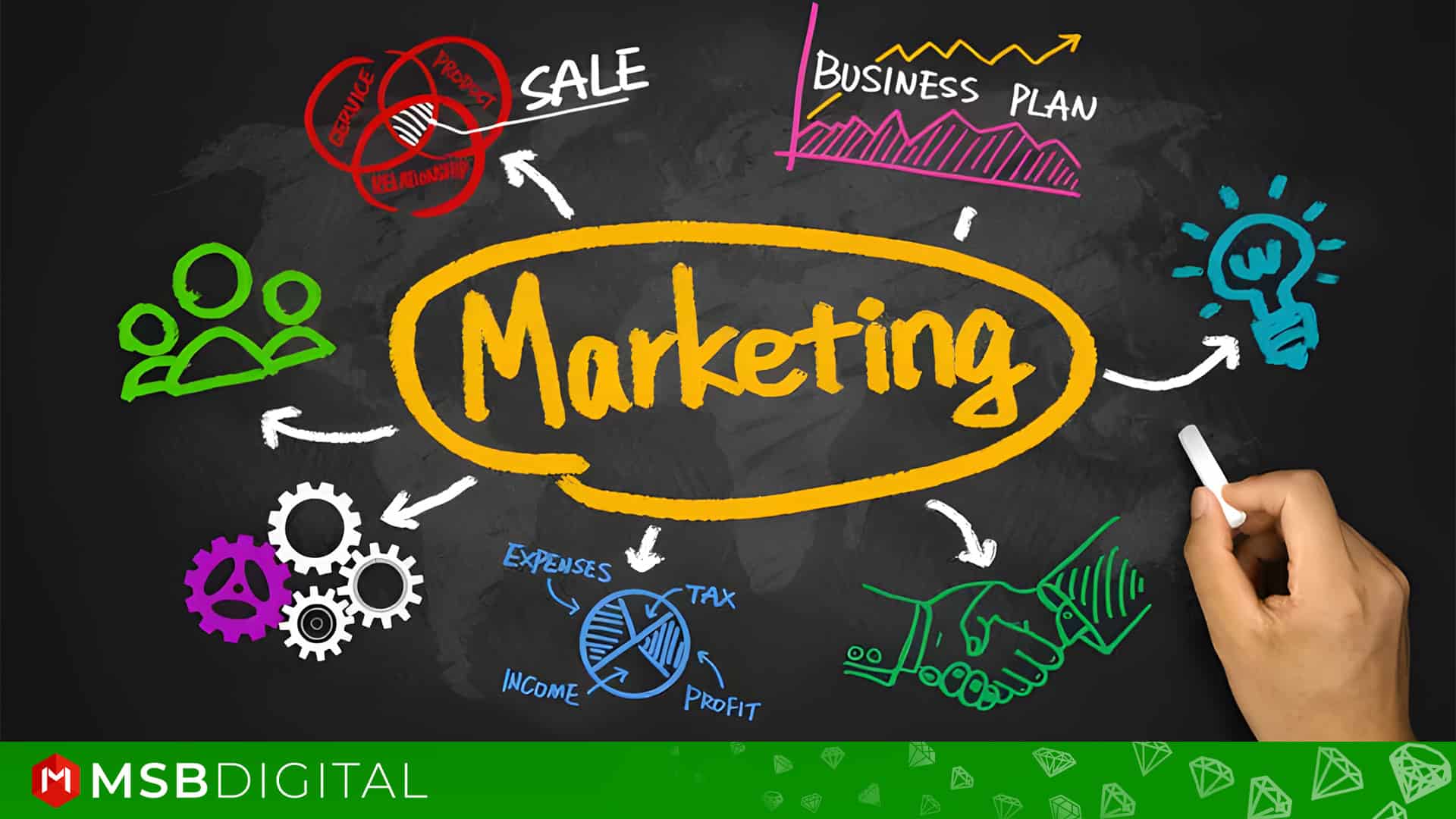
In today's fast-paced digital world, words have become more powerful than ever before. Whether you're crafting an email campaign, writing social media posts, or designing a landing page, the right words can make the difference between a successful marketing campaign and one that falls flat. As marketing professionals, we must understand that every word we choose has the potential to trigger emotions, drive actions, and create lasting impressions in our audience's minds.
What if I told you that mastering just 13 words could dramatically transform your marketing game? These aren't just ordinary words – they're psychological triggers that have been proven time and time again to capture attention, build trust, and most importantly, convert prospects into customers. In this blog post, we'll dive deep into these 13 power-packed words that successful marketers swear by, and show you exactly how to use them to elevate your marketing strategy to the next level.
1. “Free”

Who doesn’t love the word “Free”? This one is a classic for a reason. It’s one of the most compelling words in marketing because it triggers the brain’s desire for a bargain. People are always looking for a deal, and offering something for free—whether it’s a trial, a sample, or a bonus—creates a sense of urgency and excitement.
Why it works: The word “free” removes any barriers to entry, lowering the risk of a purchase and enticing customers to try your product or service.
Example: Offering a free consultation, free shipping, or even a free download can increase conversions significantly.
2. “Limited”

Scarcity is a psychological trigger that has been used for years to drive action. When customers see the word “Limited,” they understand that time or availability is running out, and they need to act fast before they miss out.
Why it works: “Limited” creates urgency and exclusivity, both of which are key motivators in decision-making.
Example: “Limited-time offer” or “Only 10 left in stock” are perfect ways to push hesitant customers to make a purchase.
3. “You”

Personalization is everything in today’s marketing landscape. Using the word “You” in your copy makes your message feel more direct and personal. It helps establish a connection with the customer, making them feel like the message is tailored specifically to them.
Why it works: When you speak directly to the customer, they feel seen and understood, which increases the likelihood of them engaging with your brand.
Example: Instead of saying “Our product helps businesses grow,” say “You can grow your business with our product.”
4. “New”

Humans are naturally drawn to novelty. We want the latest and greatest, and the word “New” taps into that desire. When you label a product as new, it piques curiosity and makes it feel fresh and exciting.
Why it works: “New” signals innovation and relevancy, making your product stand out in a crowded market.
Example: Announcing a new feature or product launch with “Check out our new collection” immediately grabs attention.
5. “Proven”

In an era full of skepticism, customers are more likely to trust your product if they know it has been tested and proven effective. The word “Proven” is a powerful tool in conveying trustworthiness and reliability.
Why it works: Customers want to know that your product or service works as promised. By showing that your offering is proven, you build confidence in their purchase decision.
Example: “Proven results” or “Proven to increase sales” immediately strengthens the credibility of your offering.
6. “Results”
People buy products because they want results. Whether it’s solving a problem or achieving a goal, the word “Results” speaks directly to what the customer is hoping to achieve. It promises tangible outcomes, and everyone wants to know they’ll get what they expect.
Why it works: By emphasizing “Results,” you focus on what matters most to the customer: the impact your product can have on their life or business.
Example: “Get measurable results in just 30 days” is a compelling way to show the effectiveness of your offering.
7. “Guaranteed”
A guarantee removes the risk from the customer’s purchase decision. It assures them that if they aren’t satisfied, they can get their money back. The word “Guaranteed” provides peace of mind, making customers feel secure in their decision to buy.
Why it works: Offering a guarantee makes the customer feel more confident and reduces any hesitation they might have.
Example: “Satisfaction guaranteed or your money back” is a statement that can significantly increase conversions.
8. “Instant”
In our fast-paced world, instant gratification is highly valued. People want quick results, and the word “Instant” delivers exactly that. Whether it’s instant access, instant downloads, or instant results, this word grabs attention and signals speed.
Why it works: “Instant” appeals to the desire for immediacy, urging customers to act right away for quick benefits.
Example: “Get instant access to our ebook” is a great way to entice potential buyers looking for quick solutions.
9. “Exclusive”
Everyone loves feeling special, and “Exclusive” offers that sense of privilege. When something is labeled as exclusive, it feels like it’s reserved for a select few. This creates a sense of belonging and value for customers.
Why it works: “Exclusive” taps into the desire for unique access or special treatment, which makes your offer even more attractive.
Example: “Exclusive member-only discounts” or “Join our exclusive club” encourages customers to take action.
10. “Easy”
No one wants to struggle with complicated products or services. The word “Easy” assures potential customers that they can achieve their desired outcome with minimal effort. It’s a simple yet powerful way to promise a hassle-free experience.
Why it works: “Easy” promises simplicity, which is a huge selling point for customers who want a quick and straightforward solution.
Example: “Get started in 3 easy steps” or “Easy setup, no hassle” can make your offering much more appealing.
11. “Best”
Everyone wants the best, especially when it comes to making important purchases. The word “Best” signals superiority and excellence, positioning your product or service as the top choice in the market.
Why it works: “Best” creates authority and elevates your product, making it seem like the ideal option for discerning customers.
Example: “The best solution for your needs” or “Our best-selling product” conveys a strong message of quality and success.
12. “Save”
People are always looking to save money or time. The word “Save” speaks to this natural desire, making it one of the most persuasive words in marketing. Whether it’s a discount or a time-saving solution, “Save” drives action.
Why it works: “Save” directly addresses the customer’s need to get more value out of their purchase.
Example: “Save 20% today” or “Save time with our automated solution” offers tangible benefits that appeal to consumers.
13. “Now”
The word “Now” adds a sense of urgency to your marketing message. It pushes customers to act quickly, prompting them to make a decision in the present moment instead of procrastinating.
Why it works: “Now” encourages immediate action, which can lead to higher conversions and quicker sales.
Example: “Buy now and get free shipping” or “Order now while supplies last” creates a sense of urgency and drives immediate engagement.
My Final Thought
These 13 powerful words are essential tools in any marketer’s toolkit. Whether you’re crafting ad copy, writing product descriptions, or sending out emails, incorporating these words into your strategy can increase your chances of success. By focusing on the customer’s needs, desires, and emotions, you can create compelling messages that drive results.
Start using these words in your marketing today, and watch how they transform your campaigns!
Which word do you find most effective in your marketing? Let me know in the comments below!