Starting a business is one of the most exhilarating journeys an individual can embark on, filled with both immense challenges and rewarding possibilities. In a world brimming with entrepreneurial dreams, having a clear roadmap is essential for transforming those dreams into reality. Aspiring entrepreneurs often dive headfirst into their ideas, but without a solid foundation, enthusiasm alone can lead to pitfalls. Understanding the steps to launch a successful business is crucial, as it equips you with the knowledge and tools to navigate the complexities of the marketplace.
What separates successful entrepreneurs from the rest is not just a groundbreaking idea, but a strategic approach to execution. In this blog, we'll explore practical strategies and key insights that every entrepreneur should know before taking the plunge. From identifying your niche and crafting a viable business plan to securing funding and understanding your market, this comprehensive guide will empower you to confidently start your business journey. Whether you're a seasoned professional or a first-time entrepreneur, these essential steps will set you on the path to success.
1) Identify a Profitable Business Idea

The First Step: Find Your Business Idea
The foundation of every successful business is a great idea. But how do you come up with one? Start by focusing on solving a problem or fulfilling a need that people are willing to pay for. Think about what you are passionate about, what excites you, and where you can offer value.
Market Research is Key
Once you have an idea, it's time to validate it. You can do this by conducting market research—look at trends, study your competition, and listen to potential customers. If people aren't already looking for a solution like yours, are you solving a unique problem or filling a gap in the market?
2) Conduct Market Research

Why Market Research Is Non-Negotiable
Jumping into a business without market research is like building a house without a blueprint. You need to know your target audience, competitors, and overall market demand before investing your time and money.
Tools to Get You Started
Use tools like surveys, Google Trends, or platforms like Reddit and Quora to see if your idea has traction. You can also look at online reviews of similar products to uncover potential pain points. Doing your research helps you refine your business idea and make it more customer-centric.
3) Create a Business Plan

A Roadmap to Success
A business plan is not just a document to present to potential investors; it's your blueprint for running your business. It outlines your vision, mission, goals, and strategies for growth.
Essential Components of a Business Plan
Your business plan should include:
- Executive Summary: An overview of your business.
- Marketing Plan: Strategies for attracting customers.
- Financial Projections: A forecast of your revenue and expenses.
- Operations Plan: How your business will run day-to-day.
A solid business plan gives you clarity and helps you stay focused as you grow your business.
4) Register Your Business and Choose a Legal Structure
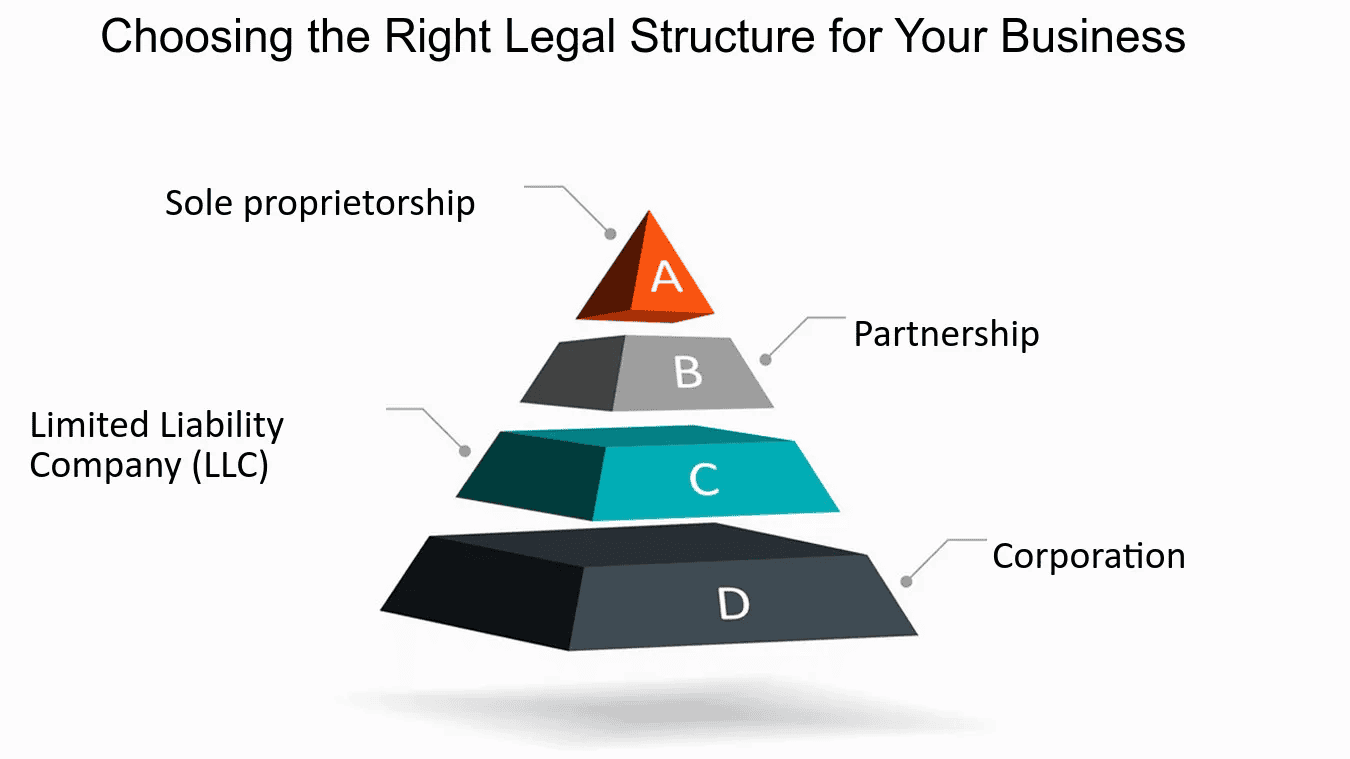
Choosing the Right Legal Structure
One of the most important decisions you’ll make is choosing the right legal structure for your business. Your choice will affect your taxes, liabilities, and even your ability to raise capital. Common structures include:
- Sole Proprietorship: You own the business and are responsible for all debts.
- Limited Liability Company (LLC): Offers protection for personal assets.
- Corporation: Separate legal entity, ideal for larger businesses seeking funding.
The Importance of Registration
Once you've selected your business structure, it’s time to register your business. This includes filing for an Employer Identification Number (EIN), getting any necessary licenses, and ensuring you comply with local and state regulations. Proper registration ensures your business is legitimate and protects you legally.
5) Secure Funding and Manage Finances

How to Fund Your Business
Securing funding is often one of the biggest hurdles for entrepreneurs. While bootstrapping or using personal savings can be an option, many startups seek additional funding from investors, loans, or crowdfunding. Here’s a breakdown of funding options:
- Bootstrapping: Using your own savings to fund the business.
- Small Business Loans: Bank loans or government-backed loans can provide necessary capital.
- Investors: Angel investors or venture capitalists can inject funds in exchange for equity.
Managing Finances for Growth
Financial management is just as crucial as securing funding. Set up a separate business bank account and start tracking expenses right away. Use accounting tools like QuickBooks or FreshBooks to stay on top of your finances. Creating a detailed budget will help you prioritize expenses and avoid overspending.
6) Build a Brand and Create a Business Identity
Why Branding Matters
Building a strong brand is essential for standing out in a crowded market. Your brand is how customers perceive your business, and it starts with a unique name, logo, and tagline. Your business identity should reflect the values and mission that your target audience cares about.
Tips for Creating a Memorable Brand
- Choose a name that’s easy to remember and speaks to your mission.
- Design a logo that resonates with your audience and reflects your business.
- Develop a consistent brand voice that’s used across your website, social media, and marketing materials.
A solid brand makes you memorable and helps build trust with your audience.
7) Develop a Marketing Strategy
Marketing is Key to Business Success
Now that you have your brand, it’s time to get the word out! A marketing strategy will help you attract and retain customers. From SEO to social media and email campaigns, there are endless possibilities to promote your new business.
Marketing Tactics to Consider
- Social Media: Platforms like Instagram, Facebook, and LinkedIn allow you to reach your audience directly.
- Content Marketing: Start a blog, create videos, or use podcasts to educate and engage potential customers.
- SEO: Optimize your website to appear in search engine results when people look for products or services like yours.
Focus on building long-term relationships with customers by offering value and building trust.
8) Set Up Your Operations and Supply Chain
The Nuts and Bolts of Running Your Business
Your business’s operations are the day-to-day tasks that keep everything running smoothly. Whether you're selling physical products or services, you need efficient systems in place. This includes organizing your supply chain, inventory management, and choosing the right tools for running your business.
Tools to Help Streamline Operations
- Project Management Software like Trello or Asana can help you stay organized.
- CRM (Customer Relationship Management) tools like HubSpot or Salesforce are essential for tracking leads and managing customer relationships.
- Automation Tools: Use tools like Zapier to automate repetitive tasks.
Streamlining operations will save you time and ensure your business is ready to scale when the time comes.
9) Launch Your Business
Ready, Set, Launch!
It’s time to take the leap and launch your business! But don’t rush—ensure everything is in place before going live. This includes finalizing your product, setting up your website, and preparing your marketing materials.
How to Make a Big Splash
Consider hosting a launch event, offering limited-time promotions, or running social media campaigns to create buzz. A soft launch can also be a great way to test your systems and gather feedback before going all-in.
10) Track Progress and Adapt
Monitor and Adapt for Success
Once your business is up and running, don’t just sit back and relax. Continuously track your performance to ensure you're hitting your targets. Regularly review your financials, customer feedback, and marketing results to make adjustments when necessary.
Be Ready to Pivot
The best entrepreneurs are always learning and adapting. Be open to changing your approach if something isn’t working. Track key performance indicators (KPIs) to monitor growth and stay flexible in responding to challenges.
My Final Thoughts
Starting a business is no easy feat, but with the right steps and preparation, you can turn your idea into a successful venture. From identifying a profitable business idea to managing your finances and building a strong brand, each step is crucial for laying a solid foundation for your future success.
So, what are you waiting for? Start your journey today and take the first step toward turning your entrepreneurial dreams into reality!
Have any questions or want to share your startup story? Drop a comment below—I’d love to hear from you!